Short Form Content That Actually Works: Your Quick Production Guide
Estimated reading time: 18 minutes
You’ve seen them everywhere, those snappy 15-second clips that somehow stop your scroll mid-swipe. But here’s what most businesses get wrong about short form content: they think “short” means “simple.” In reality, the most effective short-form videos are deceptively strategic, balancing creativity with conversion in a format that leaves zero room for fluff. While your competitors are churning out forgettable clips, the brands winning attention (and sales) understand that brevity isn’t about cutting corners, it’s about surgical precision.
The challenge? Creating video content creation that actually drives results requires a different production mindset than traditional video. You’re not just condensing a long video into bite-sized pieces; you’re architecting micro-experiences designed for specific platforms, audiences, and outcomes. Many businesses discover this the hard way after investing in content that technically looks good but fails to move the needle. The difference between a viral hit and a dud often comes down to understanding what works before you hit record, not after you’ve blown your budget on professional quick video production with editing included.
This guide cuts through the noise. You’ll learn the production frameworks that separate scroll-stopping content from scroll-past content, including how to get test videos made professionally without overcommitting resources, and realistic answers to the question everyone asks: how much does short video production cost when you’re aiming for quality, not just quantity? By the end, you’ll have a clear roadmap for creating short-form videos that don’t just exist, they perform. No fluff, no theory you can’t use. Just the strategic production insights that turn short content into serious business results.
Why Short Form Content Is Eating the Internet (And What That Means for You)
The digital landscape has fundamentally shifted in the past few years, and if you’ve spent any time scrolling through your phone lately, you’ve witnessed the revolution firsthand. Short form content, those snappy videos under 60 seconds that populate TikTok, Instagram Reels, YouTube Shorts, and LinkedIn feeds, has become the dominant force in how people consume information online. This isn’t just a passing trend or a generational quirk. It represents a profound transformation in attention economics, content creation, and how brands connect with audiences.
The numbers tell a compelling story. According to research on creating helpful, people-first content, the most successful digital strategies now prioritize formats that match genuine user behavior rather than what creators wish users would do. Short form content has proven it matches that behavior exceptionally well. Platform algorithms have evolved to favor this content type because engagement metrics consistently show that users interact with short videos at rates that dwarf traditional long-form content. When you consider that the average person now has dozens of apps competing for their attention at any given moment, the appeal of consumable, entertaining content that delivers value in seconds becomes obvious.
But why are short videos important? The answer lies in how our brains process information in an environment of infinite choice. When you open an app, you’re not making a commitment to watch a 20-minute video or read a 2,000-word article. You’re browsing, sampling, looking for something that resonates immediately. Short form content respects that browsing behavior. It offers complete thoughts, emotional arcs, or useful information in bite-sized packages that fit naturally into the gaps of daily life, waiting for coffee, riding the elevator, standing in line. This format doesn’t demand your undivided attention for extended periods; it works with your fragmented attention rather than fighting against it.
The implications for businesses and creators are profound. Traditional content strategies built around blog posts, white papers, and polished corporate videos are increasingly struggling to gain traction. Meanwhile, brands that have embraced short video production are seeing engagement rates that would have seemed impossible just five years ago. A well-executed 30-second video can reach millions of people organically, generate thousands of comments, and drive measurable business results, all without a single dollar spent on paid promotion. The playing field has leveled in unexpected ways, where creativity and authenticity often outperform production budgets.
What makes short videos particularly important is their versatility across the customer journey. You might assume that such brief content can only build awareness, but in practice, short form content serves every stage effectively. A 15-second video can introduce your brand to cold audiences. A 45-second tutorial can educate prospects about your solution. A 30-second customer testimonial can provide social proof at the decision stage. The format adapts to whatever message you need to convey, as long as you understand how to structure information for rapid consumption.
Perhaps most significantly, short form content has democratized storytelling in ways that favor agility over resources. You don’t need a six-figure production budget or a full creative agency to create compelling short videos. What you need is understanding of your audience, clarity about your message, and the technical skills to execute cleanly. This shift has opened opportunities for smaller brands and individual creators to compete directly with established players, provided they’re willing to learn the craft and commit to consistent output.
The challenge, of course, is that creating effective short form content requires a different skill set than traditional content production. You’re working with severe time constraints, which means every second must serve a purpose. There’s no room for slow builds, lengthy introductions, or meandering narratives. You need to hook attention immediately, deliver value quickly, and leave viewers with a clear takeaway or emotion, all while maintaining production quality that doesn’t distract from your message. It’s a discipline that combines the precision of copywriting with the visual storytelling of cinematography, compressed into formats that often last less time than it takes to read this paragraph.
For organizations trying to stay relevant, the question isn’t whether to invest in video content creation anymore. That debate ended when the data became undeniable. The real questions are how to approach production efficiently, what resources to allocate, and how to maintain quality while meeting the volume demands that platform algorithms require. These are the practical challenges that determine whether your short content video strategy becomes a competitive advantage or an expensive distraction that drains resources without delivering results.
The Real Cost of Creating Short Videos: Breaking Down the Numbers
When you start exploring how much does short video production cost, you’ll quickly discover that pricing exists on a spectrum so wide it can feel deliberately confusing. You can find freelancers offering short content video editing services for $50 per video, agencies quoting $5,000 for a package of ten videos, and premium studios charging $10,000 or more for a single piece of content. This massive range isn’t arbitrary, it reflects genuine differences in what you’re actually receiving. Understanding these differences is essential before you commit budget to any approach, whether you’re considering cheap short form content creation services or premium production partnerships.
What You’re Actually Paying For (Beyond the Final Video)
The most common mistake when budgeting for short videos is focusing exclusively on the deliverable, that 30-second clip you’ll post to Instagram. In reality, the final video represents only a fraction of what goes into professional production. When you work with a quality provider, you’re paying for strategic thinking that happens before a single frame is shot. This includes audience research to understand what resonates with your target viewers, concept development that aligns with your brand voice and business objectives, and scripting that packs maximum impact into minimal time. These pre-production elements often account for 30-40% of total project costs, yet they’re invisible in the final product.
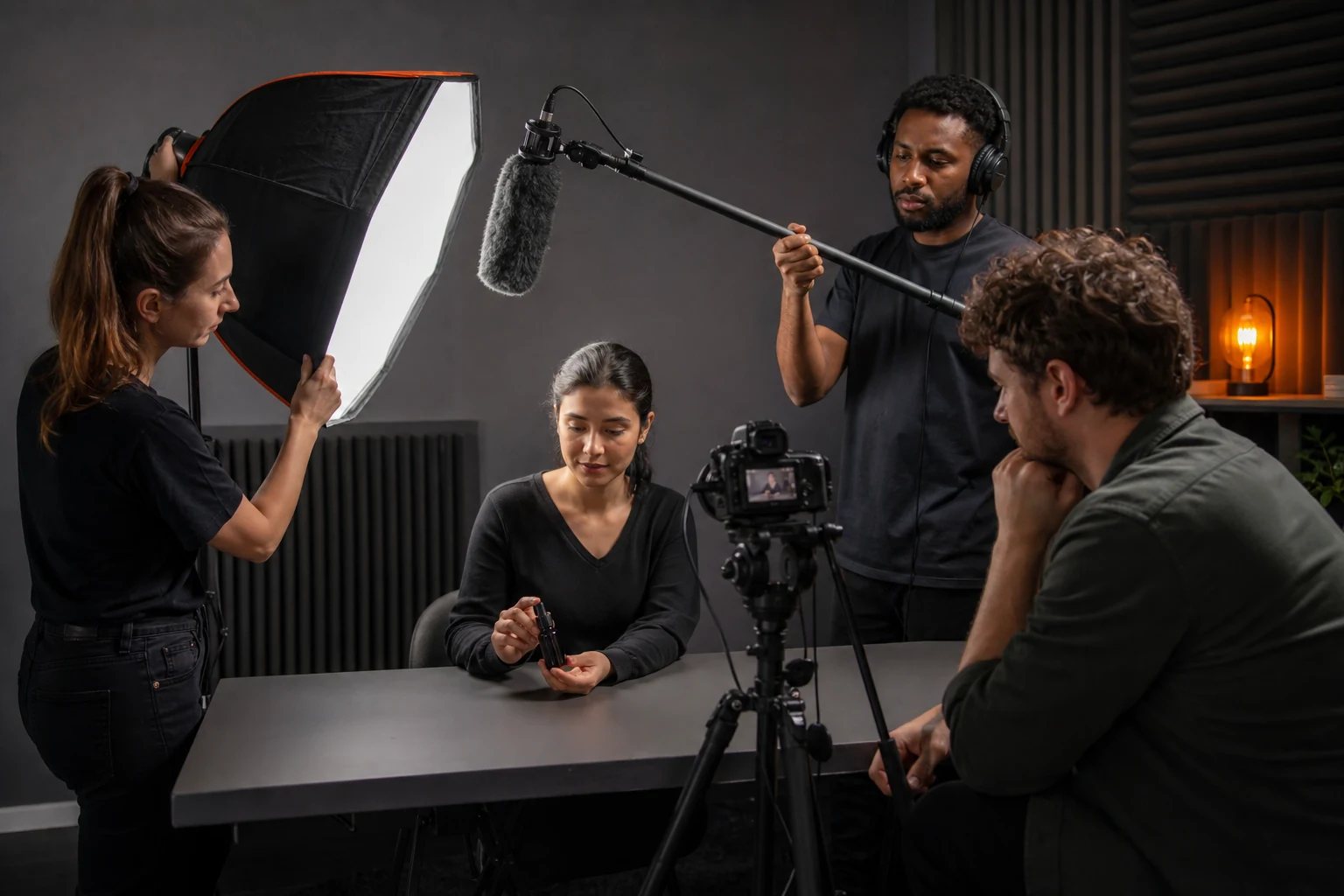
During production itself, you’re paying for technical expertise that ensures clean execution. This means proper lighting that makes subjects look professional rather than amateurish, audio capture that produces clear sound without background noise or echo, and camera work that maintains visual interest through intentional composition and movement. Even for videos that appear casual or spontaneous, professional productions involve careful setup to achieve that effortless look. The difference between a $500 video and a $5,000 video often becomes apparent in these technical fundamentals, the cheaper option might have harsh shadows, muddy audio, or shaky footage that undermines your message regardless of how good your content is.
Post-production represents another significant cost component that casual buyers often underestimate. Beyond basic editing, cutting clips together and adding transitions, professional short content video editing services include color grading to ensure visual consistency and mood, sound design that adds depth through music selection and audio balancing, graphics and text overlays that reinforce key messages, and multiple revision rounds to refine the final product. Quality editors don’t just assemble footage; they shape pacing, build emotional arcs, and make countless micro-decisions that determine whether viewers watch to the end or scroll past after three seconds.
You’re also paying for project management and communication infrastructure. Professional studios maintain systems for client feedback, version control, and timely delivery that ensure projects don’t languish in revision limbo. They provide creative direction that helps you articulate what you want even when you’re not sure yourself. They handle file management, archiving, and delivery in formats optimized for each platform. These operational elements seem mundane compared to creative work, but they’re what separate smooth, efficient projects from frustrating experiences that consume far more of your time than anticipated.
DIY vs. Professional: The Hidden Cost Analysis
The appeal of DIY short form content is obvious when you look at the sticker price. Modern smartphones shoot high-quality video, free editing apps offer impressive capabilities, and countless tutorials promise to teach you everything you need to know. For many businesses, especially in early stages, this approach makes perfect sense. You can produce acceptable content for essentially zero cash outlay beyond the time investment. The question is whether “acceptable” serves your strategic needs and whether the time investment represents the best use of your resources.
Let’s examine the hidden costs honestly. If you’re doing production yourself, someone in your organization needs to learn the necessary skills. This isn’t a weekend project, becoming proficient at video content creation, color grading, and sound design requires dozens of hours of practice beyond watching tutorials. You’ll need to understand platform-specific requirements, aspect ratios, compression settings, and best practices for each social channel. Your early attempts will likely look amateurish compared to competitors using professional services, which means you’re potentially damaging brand perception while you climb the learning curve. The opportunity cost of having talented team members focus on content production rather than their core responsibilities can easily exceed what you’d pay for professional services.
Equipment costs for quality DIY video content creation add up faster than most people expect. While your phone’s camera might be technically capable, you’ll quickly realize you need additional gear for professional results. A decent microphone runs $100-300. Lighting equipment starts around $200 for a basic setup. A tripod or stabilizer costs another $50-200. Editing software subscriptions range from free (with limitations) to $50+ monthly for professional tools. Storage for video files requires external drives or cloud services that cost $10-50 monthly depending on volume. You’re easily looking at $500-1,000 in upfront investment plus ongoing costs, and you still haven’t addressed the knowledge gap.
The consistency challenge represents another hidden cost of DIY approaches. Professional studios maintain quality standards across all deliverables because they have refined processes and experienced teams. When you’re handling short video production internally, quality varies based on who’s available, how busy they are with other responsibilities, and how much time they can dedicate to each video. This inconsistency affects brand perception more than many businesses realize. Audiences subconsciously register when video quality fluctuates, and it raises questions about your organization’s professionalism and attention to detail. Maintaining consistent output when production isn’t anyone’s primary job requires discipline that’s difficult to sustain long-term.
That said, DIY absolutely makes sense in specific scenarios. If you’re testing whether video content resonates with your audience before committing significant resources, starting with in-house production lets you experiment cheaply. If your brand positioning emphasizes authenticity and rough-around-the-edges content actually reinforces that image, professional polish might work against you. If you’re producing high volumes of content where some pieces are experimental or lower-stakes, handling those internally while outsourcing hero content creates a smart hybrid approach. The key is making an intentional choice based on your specific situation rather than defaulting to DIY simply because it appears cheaper on the surface.
How to Budget for Quick Video Production Without Overspending
Creating a realistic budget for short form content requires understanding how different factors influence pricing and which variables you can control without sacrificing quality. The first principle is that volume creates efficiency. Producing ten videos in a single project costs significantly less per video than producing them one at a time across ten months. This happens because much of the cost lies in project setup, creative development, and mobilizing resources. When you batch production, you amortize these fixed costs across multiple deliverables. A studio might charge $800 per video for a single piece but $400 per video for a package of ten, not because they’re offering a discount but because the actual cost per unit decreases with volume.
Content complexity dramatically affects pricing in ways that aren’t always obvious. A simple talking-head video where someone speaks directly to camera requires minimal setup and editing, which keeps costs low. Add b-roll footage of your product or service in action, and costs increase because you need additional shooting time and more sophisticated editing. Include motion graphics, animations, or special effects, and you’re adding specialized skills that command premium rates. Want custom music composition rather than stock tracks? That’s another cost layer. The smart approach is identifying which elements genuinely serve your strategic goals versus which represent nice-to-have features you can defer or eliminate.
Timeline expectations significantly impact what you’ll pay. Rush projects cost more because they require studios to deprioritize other work, potentially bring in additional resources, and compress workflows in ways that reduce efficiency. If you can provide reasonable lead times, typically 2-4 weeks for short video production, you’ll pay standard rates. Need it in three days? Expect premium pricing, often 50-100% above normal rates. The solution is planning content calendars in advance rather than treating every video as an urgent fire drill. Organizations that plan quarterly content needs and batch production accordingly consistently achieve better pricing and higher quality than those operating in perpetual crisis mode.
Geographic location affects pricing, though less than it once did thanks to remote collaboration tools. Studios in major metropolitan areas with high operating costs generally charge more than those in smaller markets, but the quality difference isn’t always proportional to the price gap. Many excellent creators operate from lower-cost locations and serve clients nationally or internationally through digital workflows. The key is evaluating portfolios and capabilities rather than assuming higher prices automatically mean better results. That said, rock-bottom pricing often signals inexperience or unsustainable business models that may result in missed deadlines, poor communication, or subpar deliverables.
To build a realistic budget, start by defining your monthly or quarterly content needs. If your strategy requires posting short videos three times weekly, you need roughly 12-15 videos monthly. Research typical pricing for your desired quality level, checking portfolios of studios whose work matches your aspirations. Multiply your volume needs by per-video costs, then add 20% buffer for revisions, unexpected needs, or scope adjustments. This gives you a working budget that’s grounded in reality rather than wishful thinking. If the number exceeds available resources, you then have concrete information to adjust either your volume expectations or quality standards rather than starting production with misaligned expectations that lead to disappointment.
When Cheap Actually Costs You More
The temptation of cheap short form content creation services is powerful, especially when you’re comparing quotes and see options at a fraction of typical market rates. Sometimes these bargains represent genuine opportunities, talented newcomers building portfolios, freelancers in lower-cost markets, or providers with efficient workflows that let them charge less while maintaining quality. Other times, cheap pricing signals problems that will cost you far more than the money you saved. Learning to distinguish between good value and false economy is a skill that protects both your budget and your brand.
The most common issue with bottom-tier pricing is simply that the work doesn’t achieve your objectives. A video that looks amateurish doesn’t just fail to help your brand, it actively damages perception. Viewers make judgments about your organization’s professionalism, credibility, and attention to quality based on how your content looks and sounds. Poor lighting, bad audio, clumsy editing, or awkward pacing signal that you either don’t care enough to do things properly or don’t have the resources to compete seriously. This is particularly damaging if you’re trying to position yourself as a premium option or if you’re competing against well-funded competitors whose content looks polished. The $200 you saved on production might cost you a $20,000 client who judged your capabilities based on your video quality.
Revision nightmares represent another way cheap services become expensive. Professional studios build revision rounds into their pricing and have efficient processes for incorporating feedback. Budget providers often lack these systems, which means changes take longer, communication becomes frustrating, and projects drag on far beyond expected timelines. You might find yourself doing multiple revision rounds because the provider doesn’t quite understand your feedback, doesn’t have the skills to execute what you’re requesting, or is juggling so many projects that yours gets deprioritized. The time you and your team spend managing a problematic vendor relationship often exceeds what you would have paid for a professional service that executes cleanly the first time.
According to insights on demonstrating first-hand experience in content, the quality signals in your content directly influence how audiences perceive your authority and expertise. When your videos look cheap, viewers question whether you have the experience and resources to deliver on your promises. This is especially critical in competitive markets where multiple providers offer similar services. Your content becomes a differentiator, for better or worse. Investing in quality production isn’t vanity spending; it’s ensuring that your content reinforces rather than undermines your market position.
The sustainability question matters too. Extremely cheap providers often operate on unsustainable business models. They might be drastically underpricing to win initial clients, planning to raise rates later. They might be inexperienced and haven’t calculated true costs, which means they’ll realize they’re losing money and either increase prices or deliver rushed work to maintain profitability. They might simply burn out from trying to serve too many clients at too-low rates and disappear mid-project. Building a content strategy around a provider who won’t be around in six months creates continuity problems that are expensive to solve.
The smart approach is seeking appropriate value rather than minimum price. Define what quality level your brand requires and what you genuinely need versus nice-to-have features. Get quotes from several providers at that quality level and choose based on portfolio fit, communication quality, and process transparency rather than simply picking the lowest number. If budget constraints are real, it’s better to produce fewer high-quality videos than more cheap ones. Three excellent videos that you’re proud to share will serve your goals better than ten mediocre videos that you post reluctantly because you paid for them. Quality compounds over time as your content library grows; cheap work just fills space without building value.
From Concept to Published: The Quick Video Production Journey
Understanding the quick video production workflow helps set realistic expectations about timelines, reveals where bottlenecks typically occur, and clarifies what’s required from you as a client to keep projects moving efficiently. The journey from initial concept to published content involves distinct phases, each with its own requirements and potential pitfalls. Whether you’re working with a professional studio or handling production internally, knowing this roadmap prevents surprises and helps you plan resources appropriately.
The video content creation process begins with strategic planning and concept development, which happens before anyone picks up a camera. This phase involves clarifying your objectives, what specific business goal does this content serve? Are you building awareness, educating prospects, driving conversions, or nurturing existing customers? The answer fundamentally shapes creative decisions. You’ll define your target audience with enough specificity to guide tone, messaging, and creative approach. A video targeting C-suite executives in financial services requires a completely different treatment than one aimed at college students interested in fashion. This phase also includes researching what’s working for competitors and in your industry more broadly, identifying gaps or opportunities your content can exploit.
Scripting and storyboarding come next, translating strategic goals into concrete creative plans. For short form content, scripting requires particular discipline because you’re working with severe time constraints. Every word must serve a purpose, and the structure needs to hook attention immediately while delivering value quickly. Professional studios often provide multiple script concepts, each taking a different creative angle to achieve your objectives. You’ll review these options, provide feedback, and collaborate on refinements until you have a script that feels right. Storyboarding visualizes how the script translates to screen, mapping out shots, transitions, and key visual moments. This step prevents expensive surprises during production by ensuring everyone shares the same vision before resources are committed.
Pre-production logistics involve all the practical arrangements required for shooting. This includes location scouting if you’re filming somewhere specific, talent casting if you need on-camera presenters or actors, equipment preparation to ensure technical requirements are met, and scheduling that coordinates all the moving pieces. Even for simple short video production projects, this phase requires attention to detail. You need to secure location permits if shooting in public spaces, arrange for any props or products that need to appear on camera, and coordinate schedules across everyone involved. Professional studios handle these logistics as part of their service, but if you’re producing internally, underestimating this phase is a common reason projects get delayed or encounter problems during shooting.
Production day is when concepts become footage. For short form content, shooting often happens quickly, sometimes just a few hours for multiple videos if you’re batching production. However, those hours require focus and efficiency. Professional crews arrive with detailed shot lists that ensure they capture everything needed without wasting time. They set up lighting to create the desired mood and ensure subjects look their best. They handle audio carefully, using quality microphones and monitoring sound levels to avoid problems that are difficult or impossible to fix in post-production. They shoot multiple takes of each setup, providing options during editing. They also capture b-roll footage, supplementary shots that add visual interest and help cover transitions between main content.
For businesses exploring their options, many studios offer test video production services that let you evaluate quality and workflow before committing to larger packages. This approach allows you to experience the video content creation process firsthand, from briefing through delivery, with a single video or small batch. You’ll see how the studio interprets your vision, handles feedback, and delivers final assets. This trial run reveals whether the partnership will work long-term and helps you refine your own internal processes for providing briefs and feedback before scaling up production volume.
Post-production is where raw footage becomes polished content, and it’s typically the longest phase of video content creation. Editors review all footage, selecting the best takes and assembling them into a coherent sequence that matches the approved script and storyboard. They adjust pacing, cutting frames here and there to maintain energy and ensure the video hits target length. Color grading ensures visual consistency and sets the emotional tone, cooler tones for serious, professional content, warmer tones for friendly, approachable messaging. Audio work includes balancing voice levels, reducing background noise, adding music that enhances without overwhelming, and ensuring smooth transitions between different audio elements. Graphics, text overlays, and animations get added to reinforce key messages and maintain visual interest.
The revision process allows you to provide feedback and request adjustments before finalizing the video. Professional workflows typically include two or three revision rounds in base pricing, with additional rounds available at extra cost. The key to efficient revisions is providing consolidated, specific feedback rather than multiple rounds of piecemeal changes. Instead of “I don’t like the music,” try “The current music feels too energetic for our brand; could we try something more subtle and sophisticated?” Instead of “Something feels off about the pacing,” identify specific moments: “The introduction feels slow; could we tighten the first ten seconds?” Clear feedback helps editors address your concerns efficiently rather than guessing at what you want.
How long does quick video editing take from start to finish? For a single piece of short form content with a professional studio, expect 2-4 weeks from initial concept to final delivery. This breaks down roughly to 3-5 days for concept development and scripting, 1-2 days for pre-production logistics, 1 day for shooting, 5-7 days for initial edit and post-production, and 3-5 days for revisions. These timelines assume normal workload conditions and reasonable responsiveness from both parties. Rush projects can compress this to as little as 3-5 days, though that requires premium pricing and may limit revision opportunities. Batching multiple videos extends overall project length but dramatically reduces per-video timeline since you’re handling many pieces simultaneously.
The final phase involves preparing videos for publication across different platforms. Each social channel has specific technical requirements, aspect ratios, file sizes, caption formats, and length limits. Instagram Reels prefer 9:16 vertical format and 90-second maximum length. YouTube Shorts also use vertical format but allow up to 60 seconds. LinkedIn accepts both square and vertical formats with different engagement patterns. Professional studios deliver versions optimized for each platform, saving you from wrestling with technical specifications. They also provide guidance on best practices for posting, optimal times, caption strategies, hashtag recommendations, and how to structure your content calendar for maximum impact.
Throughout this journey, communication determines whether the process feels smooth or frustrating. Establish clear points of contact, preferred communication channels, and expected response times at the project’s start. Agree on how feedback will be provided and consolidated. Set realistic expectations about availability and turnaround times. The best client-studio relationships operate as partnerships where both parties respect each other’s expertise and constraints. You bring deep knowledge of your business, audience, and goals; the studio brings technical skills and creative experience. When both parties contribute their strengths and communicate openly, the production journey creates content that genuinely serves your strategic objectives.
Finding Your Perfect Video Partner (Or Deciding to Go Solo)
The decision of how to choose test video services, or whether to build internal capabilities instead, represents one of the most consequential choices in your content strategy. The right approach depends on your specific circumstances: budget constraints, volume needs, quality requirements, internal capabilities, and long-term strategic goals. There’s no universal answer, but there is a framework for making an informed decision that aligns with your situation rather than following generic advice that may not fit your needs.
Start by honestly assessing your internal capabilities and capacity. Do you have team members with short video production skills, or would someone need to learn from scratch? Can you dedicate consistent time to content creation, or would it always compete with other priorities? Do you have the equipment required for quality production, or would you need to invest in gear? Can you maintain consistent output month after month, or would internal production be sporadic? These questions reveal whether in-house production is genuinely viable or whether it’s a theoretical option that will never materialize into consistent execution. Many organizations overestimate their internal capacity, starting with enthusiasm that fades when the reality of ongoing production demands becomes clear.
If you determine that external support makes sense, the next question is which short content studio is best for your specific needs. This isn’t about finding the “best” studio in absolute terms, it’s about finding the right fit for your brand, budget, and objectives. Start by reviewing portfolios extensively, looking specifically for video content creation work that matches the style, tone, and quality level you’re trying to achieve. Don’t just watch demo reels; dig into actual client work to see consistency across projects. Pay attention to technical quality, lighting, audio, color grading, editing pace, and creative approach. Does their work feel fresh and engaging, or formulaic and generic? Can you see versatility in how they handle different subjects and brands?
When evaluating where to hire test video production company options, the process and communication matter as much as creative skills. Request initial consultations with several studios and assess how they interact with you. Do they ask thoughtful questions about your business and goals, or do they immediately pitch their services without understanding your needs? Do they listen to your concerns and ideas, or do they dismiss your input and insist they know best? Do they explain their process clearly, or leave you confused about what happens next? These early interactions predict how the working relationship will function under the pressure of actual projects.
Pricing transparency separates professional operations from problematic ones. Quality studios provide clear pricing structures, explain what’s included at different tiers, and help you understand the factors that influence costs. They can give you accurate quotes based on your requirements rather than vague estimates that balloon later. They’re upfront about what’s included in base pricing versus what costs extra, additional revision rounds, rush timelines, specialized services like animation or custom music. Be wary of providers who are evasive about pricing or who significantly underbid competitors without clear explanation of why their costs are lower.
According to guidance on choosing content that puts people first, the best content partnerships focus on creating genuine value for end users rather than just producing deliverables. When evaluating potential partners, assess whether they think strategically about audience needs and content effectiveness or simply execute whatever you request without pushback. The best studios act as strategic partners, offering perspective on what will work and what won’t based on their experience. They should challenge your assumptions when appropriate and help you avoid expensive mistakes, not just take orders and deliver whatever you specify.
The scale question matters significantly. Large agencies offer comprehensive services, established processes, and resources to handle complex projects, but you’re often paying for overhead and may not receive personalized attention. Boutique studios provide more direct access to senior talent and customized approaches, but may have capacity constraints or longer timelines. Freelancers offer maximum flexibility and often the lowest pricing, but you’re dependent on a single person’s availability, skills, and business continuity. Each model has appropriate use cases; the key is matching the provider type to your specific project needs and organizational preferences.
Geographic considerations have evolved with remote collaboration tools, but they still matter in specific scenarios. If your content requires on-location shooting at your facilities or specific local settings, working with a nearby studio simplifies logistics significantly. If you’re producing content that can be shot anywhere or relies primarily on stock footage, animation, or screen recordings, location becomes irrelevant and you can prioritize capabilities over proximity. Many successful client-studio relationships now operate entirely remotely, with video calls for meetings and cloud-based systems for file sharing and feedback. The technology supports this model well, though some clients prefer the option of in-person meetings for complex projects or strategic planning.
Testing potential partners before committing to large contracts protects you from expensive mistakes. Start with a small project, a single video or small batch, to evaluate how the relationship functions in practice. Does the studio deliver on time? Is the quality consistent with their portfolio? How do they handle feedback and revisions? Is communication responsive and professional? Do they bring ideas and perspective, or just execute instructions? This trial period reveals whether the partnership will work long-term before you’ve committed significant resources or become dependent on a provider who doesn’t meet your needs.
The decision to go solo versus partnering externally isn’t binary or permanent. Many successful content strategies use hybrid approaches that leverage both internal and external resources strategically. You might handle simple, high-volume short form content internally, quick updates, behind-the-scenes clips, informal team spotlights, while outsourcing hero content that requires higher production values and represents your brand in important contexts. You might start with external production to establish quality standards and learn best practices, then gradually build internal capabilities as your team develops skills and you’ve proven the content strategy delivers results. You might maintain an ongoing relationship with a studio for core content while handling supplementary pieces internally.
The ultimate goal is sustainable content production that serves your strategic objectives without consuming disproportionate resources or creating constant stress. Whether that happens through internal production, external partnerships, or hybrid approaches depends entirely on your specific situation. The framework for deciding involves honest assessment of capabilities, clear definition of needs, thorough evaluation of options, and willingness to adjust your approach as circumstances change. Organizations that treat this decision as strategic rather than purely tactical, considering long-term implications rather than just immediate costs, consistently achieve better outcomes and build content programs that create genuine competitive advantage.
| E-E-A-T Pillar | What It Means | How to Show It in Short Form Content | Quick Example |
|---|---|---|---|
| Experience | “Been-there-done-that” credibility from first-hand use | Use phrases like “In my experience…” and share specific details, pitfalls, or personal wins | “After testing 12 video formats, vertical 9:16 got 3x more saves” |
| Expertise | Formal knowledge, credentials, or deep topic mastery | Include author credentials, cite specific methods, show depth of understanding | “As a certified content strategist, I recommend…” |
| Authoritativeness | Recognition by others in your field or industry | Get external mentions, citations, and backlinks; build reputation over time | Being quoted in industry publications or earning quality backlinks |
| Trustworthiness | Accuracy, transparency, and reliability of information | Add publication dates, cite sources, use original images, disclose AI usage if applicable | “Updated March 2024” + “Source: Google Search Central” |
Making Short Form Content Work for You
The landscape of digital content has fundamentally changed, and you’re now equipped with the strategic framework to navigate it successfully. What started as understanding why short form content dominates today’s attention economy has evolved into practical knowledge about production workflows, platform-specific optimization, and sustainable content systems. You’ve seen how the most effective creators balance speed with intentionality, moving quickly without sacrificing the strategic thinking that makes content actually resonate.
Here’s what matters most: short form content isn’t about chasing every trend or posting constantly without purpose. It’s about building a production system that lets you create consistently while maintaining the quality and authenticity that your audience connects with. The frameworks we’ve explored, from batch production to strategic repurposing, work because they’re grounded in how content actually performs across platforms, not just theoretical best practices. You now understand that success comes from testing, measuring, and refining based on real data from your specific audience.
The next phase of your content journey involves implementation. Start with one platform and one content format that aligns with your strengths. Build your production rhythm gradually, focusing on consistency over volume in those critical first weeks. Track what resonates, identify patterns in your successful content, and let that data guide your expansion into additional formats or platforms. Remember that even professional studios started somewhere, what separates successful content programs from failed experiments is the willingness to learn from each video and continuously improve.
At Vidora Studio, we’ve built our entire approach around this reality, combining emerging technologies with deep platform knowledge to help brands create content that cuts through the noise. We work with the Vidora Playbook, our evolving knowledge system that translates shifting trends into actionable production strategies. Whether you’re building your content system in-house or looking for partners who understand both the creative and strategic dimensions of video content creation, the foundation remains the same: move fast, stay authentic, and let performance data drive your decisions.
Your audience is already scrolling. Just like those 15-second clips that stopped your scroll mid-swipe at the beginning of this guide, your content now has the potential to do the same for others. The difference is that you understand what makes them stop, and more importantly, what makes them care enough to take action. Now you know how to make them stop.
Related Articles
- Creating Helpful, People-First Content
- How to Demonstrate First-Hand Experience in Content
- Creating Content That Puts People First
Frequently Asked Questions
What is test content video production?
Test content video production refers to creating sample videos or small batches before committing to larger production contracts. This approach allows businesses to evaluate a studio’s quality, workflow, and communication style with minimal risk. It’s particularly valuable when you’re exploring professional services for the first time or switching providers, as it reveals how well the partnership will function before significant resources are committed.
How much does short video production cost on average?
Short video production costs vary widely based on complexity, quality level, and provider type. Freelancers may charge $50-300 per video for basic work, while professional studios typically range from $400-2,000 per video for quality short-form content. Premium productions with specialized requirements can exceed $5,000 per video. Volume discounts significantly reduce per-video costs, a package of ten videos often costs 40-60% less per unit than producing them individually.
How long does quick video editing take from start to finish?
A typical short-form video takes 2-4 weeks from initial concept to final delivery when working with professional studios. This includes 3-5 days for concept development and scripting, 1-2 days for pre-production, 1 day for shooting, 5-7 days for editing and post-production, and 3-5 days for revisions. Rush projects can compress this timeline to 3-5 days with premium pricing, while batching multiple videos extends overall duration but reduces per-video turnaround significantly.
Should I hire a video production studio or create content in-house?
The decision depends on your internal capabilities, budget, quality requirements, and volume needs. In-house video content creation makes sense when you have skilled team members, appropriate equipment, and can dedicate consistent time without compromising other priorities. Professional studios are better when you need consistent quality, lack internal expertise, or want to focus team resources on core business activities. Many successful strategies use hybrid approaches, handling simple, high-volume content internally while outsourcing hero content that requires higher production values.
How do I choose the right video production services for my business?
Start by reviewing portfolios that match your desired style and quality level, then evaluate process and communication during initial consultations. Look for studios that ask thoughtful questions about your goals, provide transparent pricing, and demonstrate strategic thinking beyond just execution. Test the relationship with a small project before committing to larger contracts. Consider whether you need a large agency with comprehensive resources, a boutique studio with personalized attention, or a freelancer offering maximum flexibility, each serves different needs effectively.
What makes short form content effective for business?
Short form content succeeds because it respects modern attention patterns and consumption behaviors. These videos deliver complete value propositions in 15-60 seconds, fitting naturally into fragmented daily moments. They work across the entire customer journey, building awareness, educating prospects, providing social proof, and nurturing customers. Platform algorithms favor short videos, creating organic reach opportunities that traditional content struggles to achieve. The format’s effectiveness comes from strategic compression of messaging, not just brevity, every second must serve a clear purpose aligned with specific business objectives.
{
“@context”: “https://schema.org”,
“@type”: “Article”,
“headline”: “Short Form Content That Actually Works: Your Quick Production Guide”,
“description”: “Comprehensive guide to short form content production, covering workflows, costs, and strategies for creating effective short-form videos that drive business results.”,
“author”: {
“@type”: “Organization”,
“name”: “Vidora Studio”
},
“datePublished”: “2024-03-15”,
“dateModified”: “2024-03-15”
}
article h1, article h2, article h3, article h4 {
border-bottom: 2px solid #3d5a80 !important;
padding-bottom: 10px !important;
}
article h3 {
border-bottom: 1px solid #3d5a80 !important;
padding-bottom: 8px !important;
}
article a {
color: #3d5a80 !important;
}
.wp-block-table-of-contents a {
color: #3d5a80 !important;
}
.wp-block-faq h3 {
color: #3d5a80 !important;
}